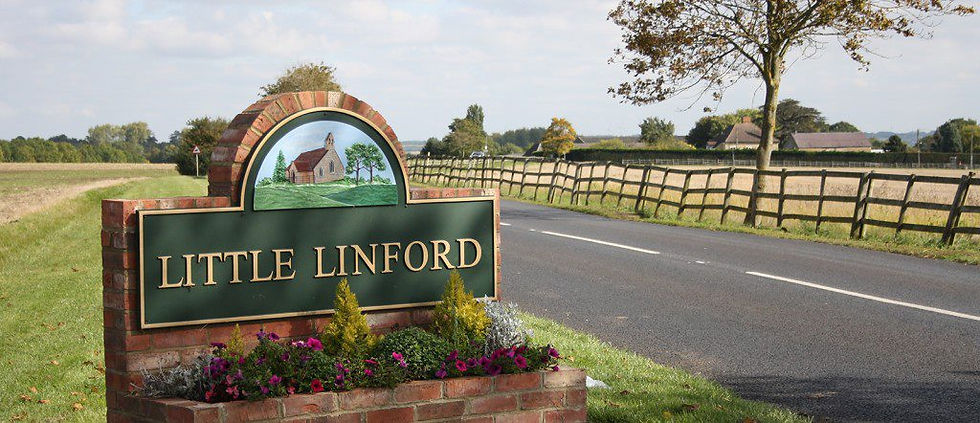
Haversham-cum-Little Linford Parish



GUIDANCE FOR LETTER TO MKCC LEADER & WARD COUNCILLORS
We have prepared the following guidance to help you create your email or letter to send to the Leader of MKCC, Cllr Jane Carr at jane.carr@milton-keynes.gov.uk and / or to your own Ward Councillors (you can find their details on the MKCC Website) requesting the support for the motion being discussed on 17 June 2026 which asks the Council withdraw support for the New Town and in particular the inclusion of MK North. Clearly our own Ward Councillor is already onside so if you are in Hanslope Ward we already have her support!
Whilst we have provided extensive ideas for you to consider, it is important that each letter reflects your own views and worries, so please feel free to pick those aspects that are most of concern to you or to use your own words entirely. We have also suggested a structure but again please feel free to adapt to your own personal style.
Personal letters and emails are far more effective than copied templates. Councillors are much more likely to pay attention to genuine messages written in your own words than to large numbers of identical emails. The most effective messages are often those that explain why the issue matters to you, your family, your community or the area where you live.
We would advise you send any letters prior to 16 June.
Who Should I Write To?
Councillor Jane Carr (Council Leader)
As Leader of Milton Keynes City Council, Councillor Carr has an important leadership role in shaping the Council's position.
When writing to the Leader, it can be helpful to focus on:
-
Democratic accountability.
-
Public consultation.
-
Evidence-based decision making.
-
Environmental protection.
-
The need to reconsider decisions made before the Government's evidence was available.
-
The opportunity to show leadership and listen to residents.
Your Own Ward Councillors
Your local ward councillors represent you directly.
When writing to your ward councillors, it is often more effective to focus on:
-
How the proposal affects you personally.
-
Impacts on your community.
-
Local infrastructure pressures.
-
Flooding concerns.
-
Loss of countryside and green space.
-
Village identity and settlement separation.
-
Traffic, schools, healthcare and public services.
Ward councillors are particularly interested in understanding how residents in their area are affected.
What Should I Ask For?
You may wish to ask councillors to:
-
Support Motion 1 on 17 June 2026.
-
Withdraw Milton Keynes City Council's support for the proposed New Town at MK North.
-
Support a plan-led and evidence-based approach to future growth.
-
Ensure residents' views are properly taken into account.
-
Protect environmentally sensitive and constrained areas from inappropriate development.
-
Make reference to the rationale stated in the motion as this cover many of the key points
Possible Issues to Raise
To support your request for support, choose the issues that matter most to you. There is no need to cover everything.
1. Residents Were Not Consulted Before Support Was Given
Many residents are concerned that the Council expressed support for the proposal before residents had the opportunity to comment.
You may wish to say:
-
Major decisions should be informed by public consultation.
-
Residents should have a voice before support is given to proposals of this scale.
-
Councils should be willing to reconsider positions when new evidence becomes available.
This point may be particularly relevant when writing to the Council Leader.
2. Milton Keynes Is Already Growing
Milton Keynes is already accommodating significant growth.
You may wish to mention that:
-
Around 23,000 homes already have planning permission.
-
MK City Plan 2050 proposes a further 37,000+ homes.
-
The proposed New Town would add around 40,000 more homes.
Some residents question whether an additional New Town of this scale is necessary when substantial growth is already planned.
3. The Great Ouse Valley
The proposed development would extend into the Great Ouse Valley and surrounding countryside.
You may wish to explain why this area is important to you.
Examples include:
-
Walking and recreation.
-
Wildlife and biodiversity.
-
Landscape character.
-
Heritage and local history.
-
The setting of villages and rural communities.
Many people regard the Great Ouse Valley as one of Milton Keynes' most important environmental assets.
4. Flood Risk and Climate Resilience
Many residents are concerned about flooding and drainage.
You may wish to mention:
-
Personal experience of local flooding.
-
Surface water issues.
-
The importance of protecting floodplain functions.
-
Climate change and extreme weather events.
-
Concerns about increased runoff from large-scale development.
5. Loss of Best and Most Versatile Agricultural Land
The proposal would result in the loss of large areas of productive farmland.
You may wish to raise concerns about:
-
Food security.
-
Loss of agricultural land.
-
Sustainable land use.
-
The role of farming in the local economy and landscape.
6. Pressure on Infrastructure
Many residents already experience pressure on local services.
You may wish to refer to:
-
GP appointments.
-
Hospital waiting times.
-
School places.
-
SEND provision.
-
Traffic congestion.
-
Public transport.
-
Water supply.
-
Wastewater and sewerage capacity.
-
Electricity network capacity.
Personal examples are often particularly powerful.
7. Is It Really a New Town?
Some residents question whether the proposal is truly a New Town.
You may wish to ask:
-
Is this a genuinely distinct settlement?
-
Or is it a large urban extension to Milton Keynes?
-
Does it reflect the original principles of the New Town movement?
-
Is it being driven by a clear public-interest case or by developer interests?
8. Brownfield First
Government policy often emphasises the importance of prioritising brownfield land.
You may wish to ask:
-
Whether brownfield opportunities should be exhausted first.
-
Whether large-scale greenfield development is justified.
-
Whether the proposal aligns with a genuine brownfield-first approach.
What Makes a Strong Letter?
The most effective letters are usually:
✔ Written in your own words.
✔ Respectful and constructive.
✔ Focused on two or three issues that genuinely matter to you.
✔ Specific about the action you are asking councillors to take.
✔ Based on your own experiences and concerns.
You do not need to write a long letter. A sincere email of a few paragraphs can be just as effective as a detailed submission.
A Simple Structure
1. Introduce Yourself
Explain who you are and where you live.
For example:
"I am a resident of Haversham."
or
"I have lived in Milton Keynes for over 20 years."
2. Explain Why You Are Writing
For example:
"I am writing to ask you to support Motion 1 on 17 June."
3. Explain Your Main Concerns
Choose two or three issues that matter most to you.
Personal experiences and local examples are often the most persuasive.
4. Ask for Action
Clearly explain what you would like your councillor to do.
For example:
"I hope you will support Motion 1 and vote to withdraw the Council's support for the proposed MK North New Town."
5. Thank Them for Their Time
A respectful closing is always helpful.
The Most Important Thing
Councillors are elected to represent residents.
Whether you support or oppose the proposal, the most important thing is that your views are heard.
A personal message written in your own words will always carry more weight than a copied template. If this issue matters to you, please consider taking a few minutes to contact your councillors before the Council meeting on 17 June 2026.